Two course creators teach the exact same information. Same framework, same steps, same expertise. One sells out every time she opens the doors, with students who finish, get results and refer their friends. The other struggles to fill her cart, and the students who do buy quietly disappear by module three.
What’s the difference? It’s not the content. It’s what she built around it.
You’re Not Selling Information. You Never Were.
Here’s a mistake I made early on, and I bet you’ve made it too: I thought my job was to teach everything I knew. I spent months building out a course, stuffing it with every tip, template and lesson I could think of. I figured more value meant more content.
It didn’t. Refund rates crept up, and when I looked at the numbers, only a small fraction of students were finishing what they started. The rest got overwhelmed, stalled out and walked away. I had built an incredible library of information. What I hadn’t built was a reason for anyone to keep going.
That’s the trap so many course creators fall into. We assume that if we just teach more, explain better or add one more module, students will get results. But your students don’t need more information. They’re drowning in it already. What they need is a journey that pulls them forward, one step at a time, until they’re somewhere they couldn’t have gotten on their own.
The Shift From Info Product to Experience Product
This is the shift I talk about constantly inside EPM: stop building an Info Product and start building an Experience Product. An Info Product hands someone a pile of knowledge and hopes they figure out what to do with it. An Experience Product is designed, on purpose, to move someone from where they are to where they want to be.
The course itself still matters. Your expertise still matters. But the course is the raw material. The experience is what actually gets your students into action, keeps them showing up and turns your knowledge into their transformation. When you design for the experience first, the course finally does the job it was meant to do.
Four Experiences Every Structured Journey Needs
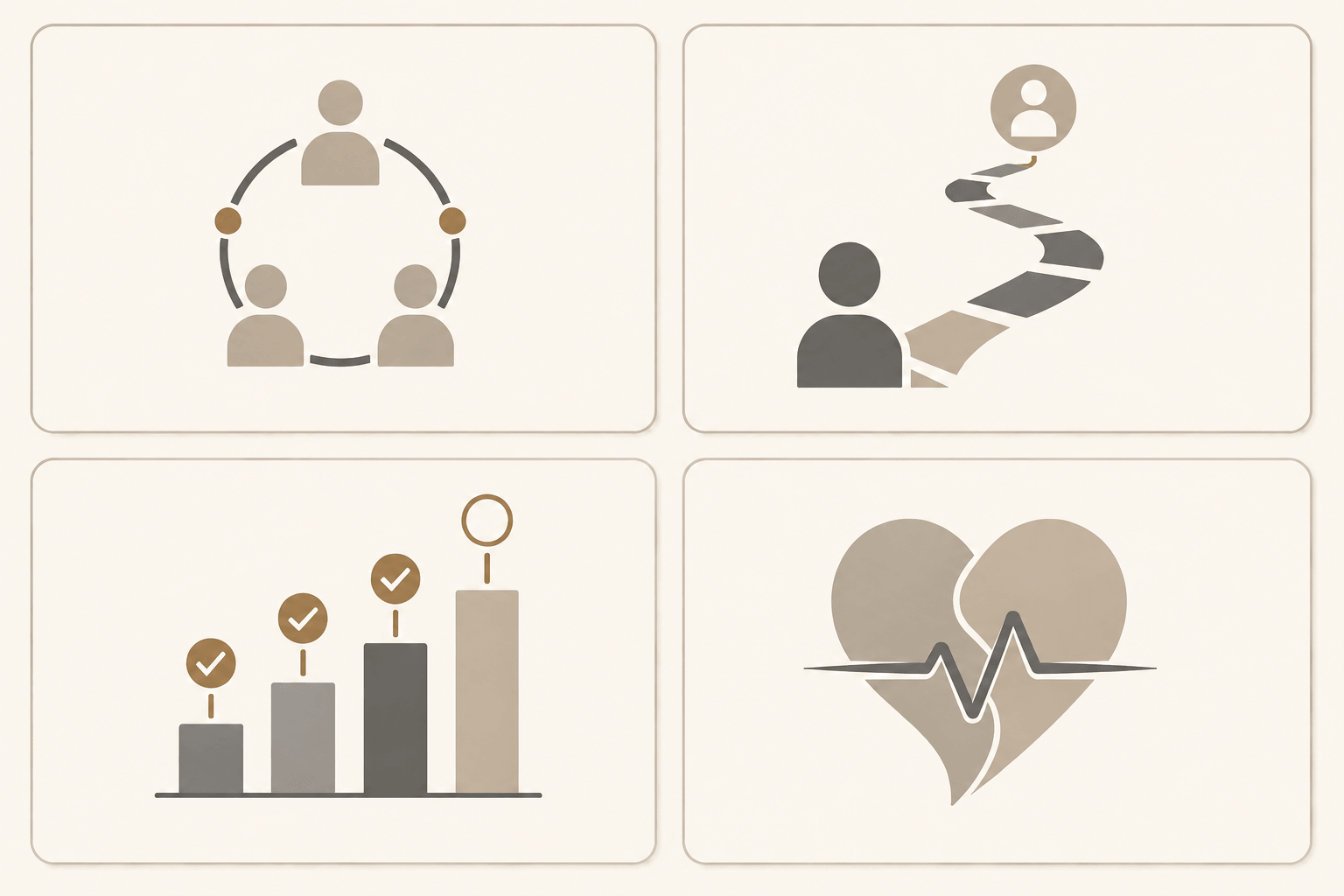
Once you understand that you’re building a journey and not a library, the next question is: what makes a journey actually work? Through years of running EPM and helping thousands of course creators build their own programs, I’ve found it comes down to four things.
1. Shared Experiences
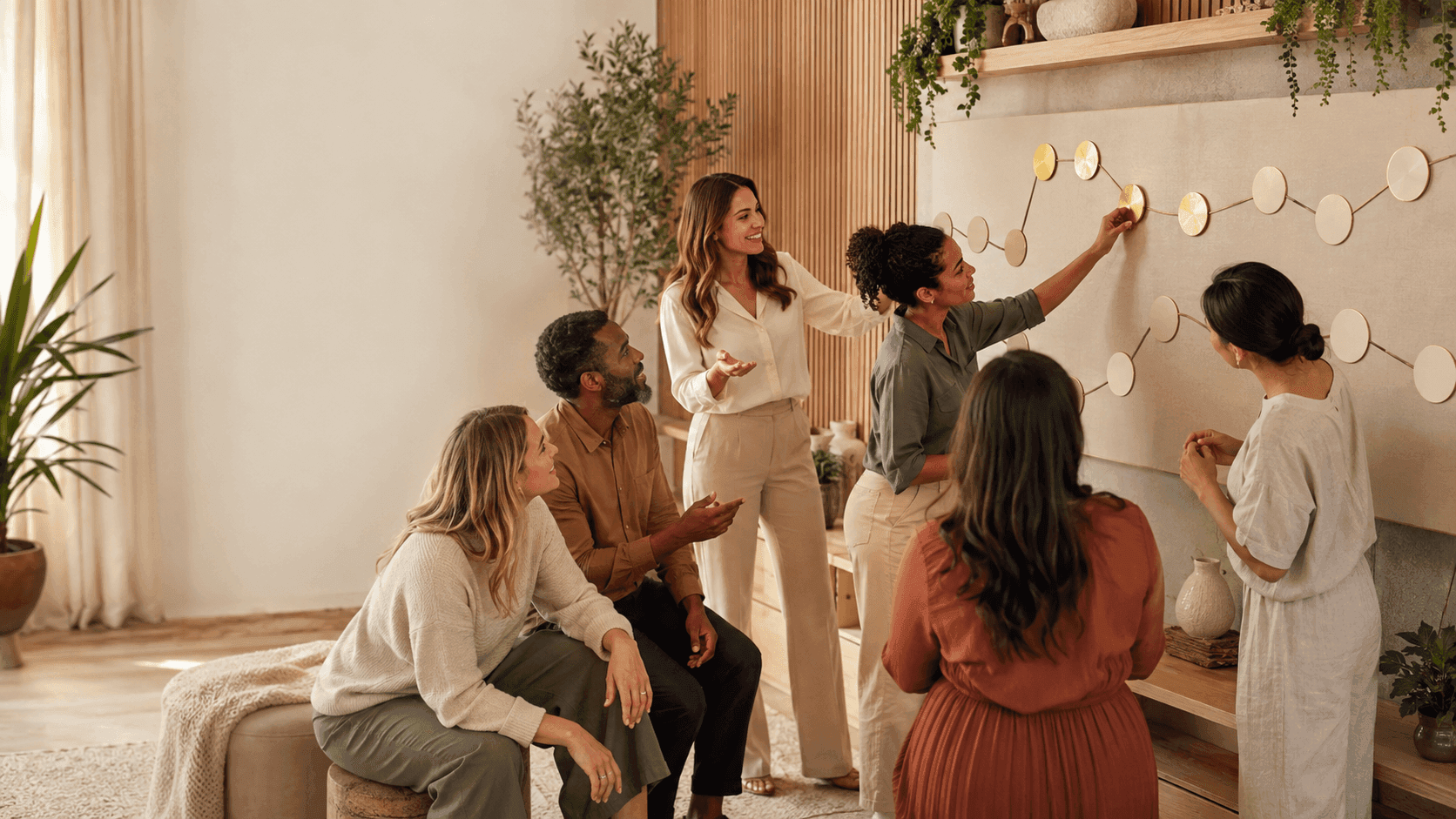
People don’t want to learn alone. Build in moments of real connection — coaching calls, community threads, live events — where your students learn from each other, not just from you.
2. Perceived Customization
Your students want to feel like the program was built for them specifically. You don’t need a different course for every person. You need a structure flexible enough that everyone can see themselves in it.
3. Constant Wins
Momentum keeps people moving. Instead of saving every reward for the finish line, build in small, achievable wins along the way so your students feel their progress in real time.
4. Emotional Experiences
Facts don’t move people. Stories do. Weave storytelling and real moments into your teaching so students stay emotionally invested in their own progress, not just intellectually informed about a topic.
This Isn’t a New Idea. It’s Just a Forgotten One.
You’ve already experienced this outside of the course world. Think about Fitbit. It’s not just a step counter — it’s a coach that celebrates your wins and nudges you forward, which is exactly why people stay engaged with it long after the novelty wears off.
Or Spotify. It didn’t just give people access to music. It turned listening into something social, with collaborative playlists and shared discoveries, which is why people don’t just use it, they’re loyal to it.
The brands and products that keep people coming back all understand the same principle: an experience beats information every single time. Your course isn’t any different. The question is whether you’re designing for one.
How EPM Turns Your Course Into a Journey
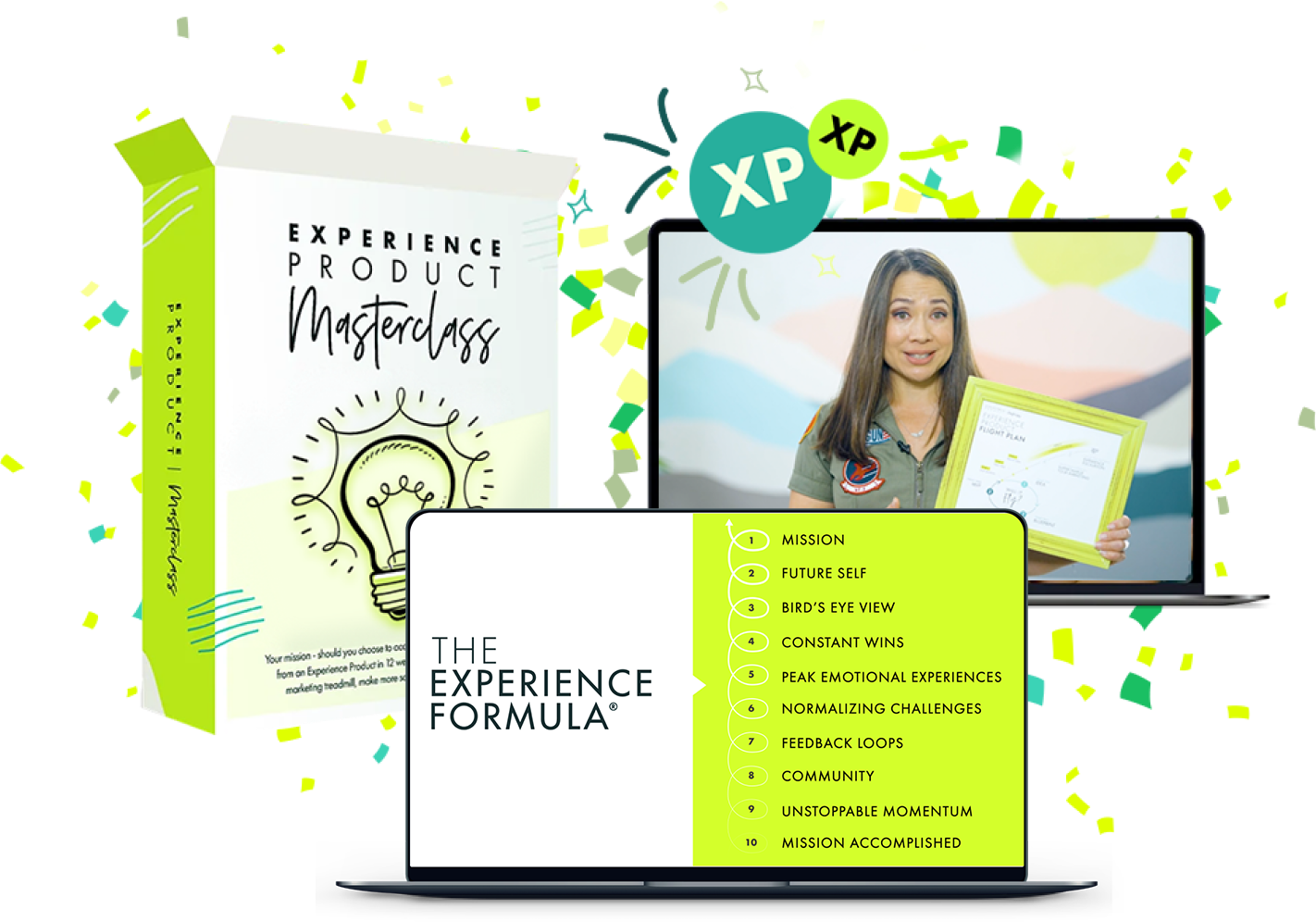
This is exactly why I built the Experience Product Masterclass around a methodology instead of a stack of modules. Inside EPM, we don’t just help you organize what you know. We help you structure a journey that carries your students from curious to confident, using the same four experiences above as the backbone.
That’s the real differentiator. Plenty of programs will teach you how to build a course. EPM teaches you how to build an Experience Product — one where your students actually finish, actually get results and actually become your best marketing because they can’t stop talking about what happened for them.
Your course was never the product. The experience is. Once you build with that in mind, everything else — your completion rates, your testimonials, your referrals — starts to take care of itself.

Your Turn
If you had to be honest, is your course built like an Info Product or an Experience Product? What’s one shift you could make this week to turn information into a real journey for your students? Drop it in the comments — I’d love to hear what you’re working on.
Speaking of Building a Real Experience…
If you’re ready to stop stuffing your course with more content and start building a structured journey your students actually finish, that’s exactly what we do inside the Experience Product Masterclass (EPM).
EPM is a proven, step-by-step program to validate, create, launch and successfully sell your very own Experience Product — the kind of program students complete, rave about and refer their friends to.
If you’re done teaching information and ready to build a real transformation, come learn more about EPM.