

Lookin’ to shake up the business world with your next venture?
The key lies in the heart of your operation: your business model.
The business landscape of 2023 is a kaleidoscope of successful models, from the comforting predictability of the Subscription Model to the bold lure of the Razor-and-Blades Model.
And in this post, you’ll learn all about them (plus eight others).
Ready to reshape transportation like Uber or the hospitality industry like Airbnb?
Keep reading.
1. Direct Sales Model: Straight From You to Them
Take a moment and visualize this…
You’re the captain of your ship. Your hands are firmly on the wheel, navigating your business through the high seas of the market. This is the Direct Sales Model. The open ocean, filled with eager customers, waits for you.
In this model, there’s no need for intermediaries. No middlemen playing with your brand message. It’s just you and the customer, in a direct conversation. It’s personal. It’s empowering. You’re creating a genuine connection.
Avon is a great example of this kind of business model.
They’ve been championing this model with flair. The face creams, the lipsticks, the fragrances, all sold directly by their representatives. These representatives are not just selling products. They are forging relationships and building trust.
This direct connection translates into a better understanding of customer needs. Feedback comes straight from the horse’s mouth. No distortions, no misinterpretations. Your business strategy can then pivot to meet these needs.
It’s agile. It’s responsive.
The Direct Sales Model, in essence, brings your business closer to the people who matter the most — your customers.
2. Licensing Model: Harvesting the Fruits of Your Genius
Think of a tree you’ve planted.
You’ve given it care, you’ve seen it grow. Now, it’s time to harvest the fruits. That’s what the Licensing Model does for your brainchild. You let another company sell products using your design, and you enjoy the fruits.
This model is about leverage. It’s about amplifying the reach of your product without extra effort.
Why limit yourself when you can get others to carry your flag? It’s smart. It’s efficient.
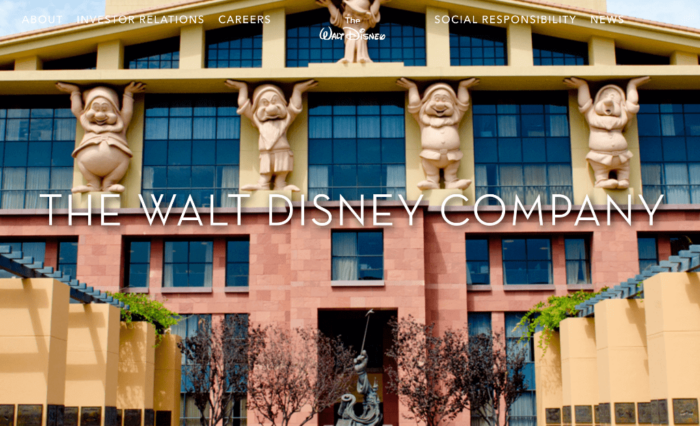
Disney is the master of this model. Those beloved characters from their movies? They license them for toys, clothes and games. Each product sold with its characters reaps royalties for Disney.
What’s more, this model reduces risk.
You’re not responsible for production or distribution. You simply provide your design and collect the fees. It’s a low-risk, high-reward scenario.
3. Subscription Model: Your Revenue Metronome
Close your eyes. Now, visualize this.
A tap that drips money, not water. Constant, unchanging, consistent. That’s the Subscription Model for your revenue. This model ensures a stream of regular income, keeping your business financially robust.
Sounds pretty cool, right?
This rhythm of regular payments transforms your cash flow into a steady metronome. Each tick is a sweet reminder of a faithful customer. Each tock is an assurance of financial stability. You’ve created a loyal customer base that’s sticking around.
Look at Netflix. They’ve turned this model into an art. Every month, subscribers pay their dues and gain access to a world of entertainment.
The genius lies in the mutual benefit….
Customers get unlimited viewing. Netflix gets predictable revenue.
This model works wonders for customer retention too. The regular interaction breeds familiarity and with familiarity comes trust.
This trust can turn casual subscribers into brand advocates.
4. Freemium Model: The Graceful Dance of Give and Take
Have you ever been lured by a free sample? Tasted the delicious flavor, felt the tantalizing aroma, and then found yourself buying a full serving?
This is the magic of the Freemium Model. It’s a graceful dance of give and take.
You offer a version of your product for free. Customers taste the value you provide. They appreciate it. And before you know it, they’re ready to pay for the premium version. It’s a conversion, slow-cooked to perfection.
Consider Spotify.
They’ve composed a beautiful symphony with this model. Free music for everyone. But want an ad-free experience? That’ll be a premium, please. The beauty is in the choice. It’s the customer’s call to upgrade.
And the benefits don’t stop at conversions.
The free version serves as a powerful marketing tool. Word spreads. Your user base grows. It’s like a snowball, starting small but growing as it rolls along.
5. Affiliate Model: Building Bridges for Profit
Picture yourself as a bridge.
On one side, there’s a producer with a product. On the other, a customer in need. You connect the two and voila, you’ve earned a commission.
This is the essence of the Affiliate Model. You’re the link, the bridge, the matchmaker.
In this model, you’re not creating a product or offering a service. No, you’re doing something arguably more powerful. You’re connecting needs with solutions.
And for this, you get rewarded. Quite the gig, isn’t it?
Look at Amazon Associates. They’ve created a robust network of affiliates who recommend millions of products on their platform. These affiliates don’t just earn commissions. They provide value. They solve problems. They make connections.
And let’s not forget about the scalability.
There’s no limit to the number of bridges you can build. The more you connect, the more you earn.
It’s a model that rewards your efforts and your network.
6. Marketplace Model: The Grand Bazaar of Business
Imagine a bustling bazaar where sellers set up their stalls and buyers browse to their heart’s content.
That’s the Marketplace Model for you. A platform that brings together buyers and sellers under one digital roof.
This model offers a plethora of choices to the customers. They can compare prices, read reviews, and make informed decisions. It’s empowering. For the sellers, it’s an opportunity to reach a wide customer base.
It’s a win-win.
eBay exemplifies this model. From vintage watches to collectible coins, eBay’s a treasure trove for buyers. And for sellers, it’s an open market with a global audience.
Managing the marketplace might seem daunting, but the rewards are worth it. Revenue from listing fees, transaction fees, advertising, the list goes on. It’s a bazaar of opportunities.
7. On-Demand Model: Your Wish is Their Command
Picture a genie. You make a wish, and poof, it’s granted.
That’s the On-Demand Model for you. Instant gratification for the customers. It almost seems magical.
In this model, services or products are provided on request in real time. Customers want it now, and you deliver. It’s a ballet of speed, efficiency and customer satisfaction. It’s business at the speed of thought.
Uber personifies this model.
Need a ride? Uber’s there. No waiting, no hailing cabs. Just a few taps and your chariot awaits. It’s convenience, delivered.
This model puts the power in the hands of the customer. Their need, their time, and their terms. It’s customer-centric to the core.
8. Peer-to-Peer Model: The Power of Community
Ever felt the power of a tight-knit community? The warmth, the solidarity, the sense of belonging.
The Peer-to-Peer Model builds on this power. It’s all about connections, trust and mutual benefit.
In this model, you provide a platform where individuals can exchange goods or services. You’re the facilitator, the community builder.
Take Airbnb. It connects homeowners with travelers. It’s not just about accommodations. It’s about unique experiences, personal connections and cultural exchange. It’s a model that values community over corporations.
This model, at its core, is about human connections. It’s about fostering a community where everyone benefits.
9. Franchise Model: Spreading Your Success Story
Imagine your business as a book — a success story that resonates with people.
Now, what if others could write new chapters of this story, in different locations, and share in the success? That’s the Franchise Model. It’s about spreading your success story, one chapter at a time.
In this model, you’re allowing others to run businesses under your brand name. They follow your successful blueprint and you get franchise fees and royalties.
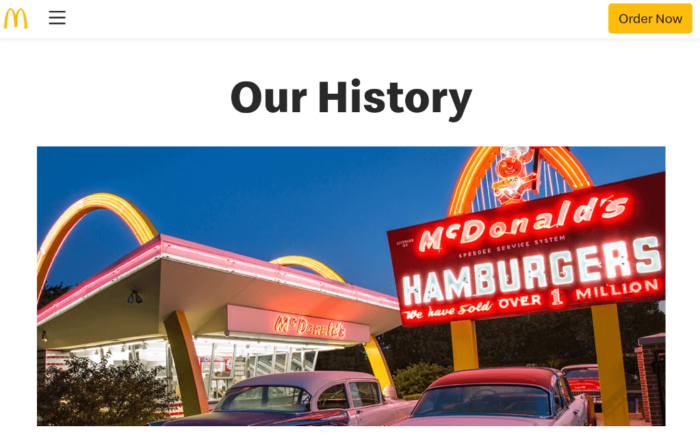
When you think of franchising, you probably think of McDonald’s (and for good reason)!
The golden arches are a globally recognized symbol, thanks to their franchising approach. It’s not just about flipping burgers. It’s about replicating a proven business model and brand value.
This model allows your business to expand without heavy investment in new outlets.
And the cherry on top? You’re helping budding entrepreneurs to thrive.
10. Razor-and-Blades Model: The Tantalizing Tease
You’ve bought a shiny new razor at a very reasonable price…
But wait, you need the blades too. And guess what, they’re not so reasonably priced.
That, my friend, is the Razor-and-Blades Model. It’s the tantalizing tease of business models.
In this model, you sell a primary product at a low price (or even give it away) and then sell related goods at a high margin. The low price of the main product is the bait. The high-margin-related goods are the hook.
The Dollar Shave Club is a classic example. They practically give away their razors, only to make a hefty profit on the blades.
It’s a model that thrives on customer retention. Once they buy the main product, they’re likely to come back for the related goods.
So, Which Business Model Speaks to You?
The Direct Sales Model?
Subscription Model?
Or is it the Peer-to-Peer Model?
Let me know in a comment below which business model resonates with you as a consumer and, if you’re an entrepreneur, which one you use in your business.
But before you go…
Business models can only get you so far… because the key to real and sustained business growth is taking consistent action on the right things.
Which is what I’m sharing in my FREE Workshop >> Unlock the Science of Consistent Action: The Overwhelm-Free Way to Finally Start Building Your Business One Tiny Step at a Time
And when you attend, you’ll also grab my Companion Guide with the 5 science-backed brain hacks to help you beat resistance and smash your goals.

So grab your spot here and don’t forget to invite a friend 🙂

















Leave a Comment